
The Importance of Wireframes
26 April, 2026
Table of Contents
Wireframes importance: Why Wireframes Matter in UX Design
Wireframes importance starts with one simple idea: before you design how a website or app looks, you need to understand how it works. A wireframe is a simple skeleton version of a digital product. It shows the structure, layout, content sections, navigation, and main user actions before visual design begins.
Wireframes help designers, developers, clients, and stakeholders stay on the same page. Instead of discussing colors, images, fonts, and visual details too early, the team can focus on the foundation of the product. This makes the design process clearer, faster, and more practical.
What is a wireframe?
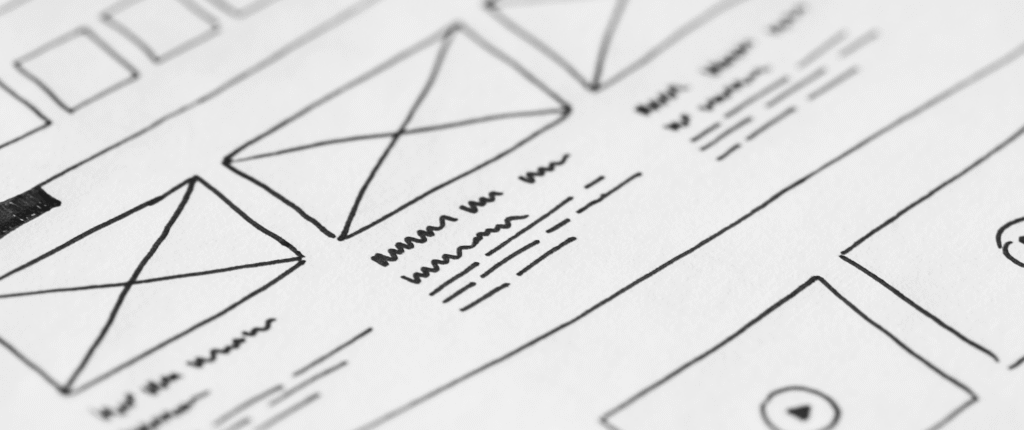
A wireframe is a low-fidelity representation of a website, app, landing page, or digital interface. It does not usually include final colors, images, logos, or detailed visual styling. Instead, it focuses on layout, hierarchy, content placement, page structure, and user flow.
For example, a wireframe can show where the header will appear, where the main call-to-action button should be placed, how sections are ordered, and how users move from one page to another. This helps the team understand the product before investing time in detailed UI design.
Wireframes are especially useful in UX design because they make ideas visible. When an idea stays only in conversation, people may understand it differently. But when the idea becomes a wireframe, everyone can see the same structure and discuss it clearly.
“Focus on the content and the structure of the product keep the aesthetics later.”
You can also learn more about wireframing basics from Nielsen Norman Group, a well-known UX research and usability resource.
Why wireframes are important
The wireframes importance in UX design comes from their ability to reduce confusion. They allow teams to test the basic structure of a product before committing to full design and development.
Without wireframes, teams may jump directly into visual design. This can create problems later if the layout does not support the user journey, the content hierarchy is weak, or the navigation feels confusing. Fixing these issues after the final design or development stage can cost more time, money, and effort.
Wireframes Create Innovative Ideas
Wireframing helps you transform rough ideas into something visual. Once the idea is visible, your team can review it, improve it, compare different options, and create multiple versions before choosing the strongest direction.
This is one of the main reasons wireframes are valuable. They make it easier to explore different solutions without wasting too much time. A designer can quickly test several layouts, move sections around, change the order of content, and improve the user flow before the interface becomes visually detailed.
“Wireframes are great for exploring bold ideas that might become the perfect solution.”
Wireframes Save Time and Money
Another major part of wireframes importance is saving resources. Building a digital product without a clear structure is like constructing a building without a blueprint. You may discover major problems too late, when fixing them becomes expensive.
Imagine building a large skyscraper and then realizing that a key feature should have been placed on another floor. At that point, making changes would be difficult and costly. The same idea applies to websites and apps. If you discover a major UX issue after development is almost complete, the team may need to redesign screens, rewrite code, and delay the launch.
Wireframes help prevent this. They allow your team to make important changes early, when changes are still simple and affordable.
“Make your changes as early as possible. That is what saves time, money, and effort.”
Wireframes Improve Communication
Wireframes also improve communication between designers, developers, clients, marketers, and business teams. Each person may think about the product from a different perspective. Designers may focus on usability, developers may focus on technical structure, and clients may focus on business goals.
A wireframe brings all these perspectives into one shared visual plan. Instead of explaining the idea with long descriptions, the team can review the layout directly and give more useful feedback.
This makes the approval process easier because stakeholders can understand the product before the final design stage. It also reduces misunderstandings and helps everyone agree on the main direction.
Wireframes Are Black and White for a Reason
Wireframes are usually black and white because the goal is not to judge the visual style. The goal is to focus on structure, content, and usability.
Colors, images, icons, and other UI elements can influence decisions too early. A client may like a design because the colors look attractive, even if the layout is weak. Or they may dislike a strong layout because the visual style is not finished yet.
By keeping wireframes simple, the team can focus on more important questions first. Is the page structure clear? Is the content in the right order? Can users understand what to do next? Is the main action easy to find?
This is why wireframes are used during the planning and ideation stages. They help teams think clearly before moving into visual design.
Wireframes Support Better UX Design
Wireframes importance is directly connected to user experience. A good wireframe helps designers plan how users will interact with a product. It shows the path users take, the decisions they make, and the actions they need to complete.
For example, if users need to book a service, the wireframe should make that journey simple. The user should understand where to start, what information is required, and how to complete the booking without confusion.
If the wireframe shows too many steps, unclear buttons, or weak content hierarchy, the team can fix these issues before the product reaches the final design stage.
Final Thoughts
Wireframes importance is not only about creating a rough sketch. It is about building a strong foundation for the full digital experience. Wireframes help teams plan better, communicate clearly, test ideas early, save time, and avoid costly mistakes.
Before focusing on colors, images, animations, and final UI details, every digital product needs a clear structure. Wireframes give your team that structure and help turn ideas into practical, user-friendly experiences.
When used correctly, wireframes make the UX design process smarter, faster, and more focused on what users actually need.
Build your website the right way