
From Idea to Launch: How to Build a Digital Product That Actually Works
07 June, 2026
Table of Contents
Build a digital product the right way, and the process becomes less risky, more focused, and more likely to create something people actually use.
What separates the two is process. The products that work are built on a foundation of understanding, validation, and iteration. The ones that fail tend to skip those steps in a rush to start building. Here’s the path that consistently leads to digital products people actually use.
To build a digital product successfully, you need more than a strong idea. You need a clear process that helps you understand the problem, validate the solution, and improve before launch.
Why Most Digital Products Fail Before They Start
The most expensive mistake in product development isn’t writing bad code it’s building the wrong thing beautifully. Teams pour months and budget into a polished product, launch it with excitement, and discover that customers don’t want it, don’t understand it, or don’t need it. By then, the money is spent and the lesson is painful. Almost always, this traces back to a single root cause: building began before anyone truly understood the problem. The solution looked obvious, so the team skipped straight to making it. Avoiding this trap is the single highest-return decision in the entire journey.
How to Build a Digital Product by Understanding the Problem
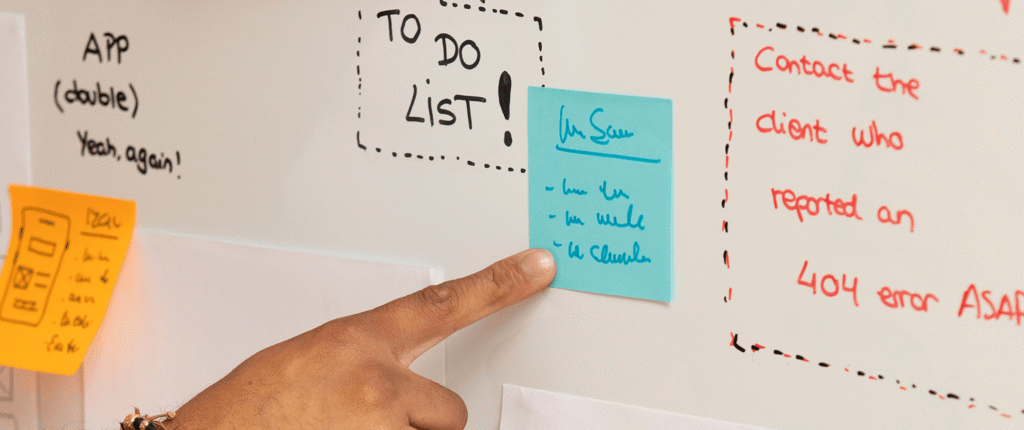
Great products begin with listening, not building. Before any design or development starts, it’s worth investing real effort in understanding the people you’re building for their goals, their frustrations, the way they currently solve the problem, and what they’d genuinely value. Talking to real potential users, watching how they behave, and questioning your own assumptions almost always reveals that the problem is different from what you first imagined. This stage feels slow to impatient founders, but it’s the opposite of wasted time. Every hour spent understanding the problem saves many hours of building the wrong solution.
Before you build a digital product, you need to understand who it serves, what problem it solves, and why users would choose it over their current way of doing things.
You can also read our guide on UX design definition to understand how better user experience supports stronger digital products.
Define Before You Build
Once you understand the problem, the next step is turning that understanding into a clear direction. What exactly are you solving? For whom? What does success look like? A sharp, written problem statement and a prioritized list of what matters most give the whole team yours and your partner’s a shared map to build from. This is also where scope gets honest. Trying to build everything at once is how projects balloon and stall. Defining the core of the product the part that delivers the most value lets you launch something real instead of endlessly polishing something that never ships.
Explore More Than One Solution
The first idea is rarely the best one. Before committing to an approach, it’s worth exploring several. Structured brainstorming and quick exploration of different directions surface options you wouldn’t have found by locking onto the obvious answer. The goal is to find the approach with the best chance of working before investing in building it, when changing direction is still cheap.
Prototype Before You Commit
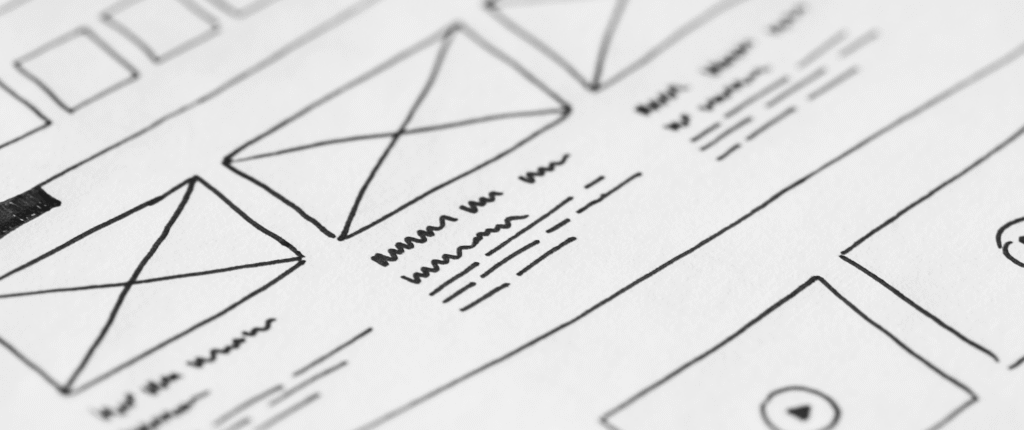
One of the most powerful steps in building a digital product is also one of the most overlooked: making the idea testable before writing production code. Clickable prototypes and interactive mockups let you and your users experience the product, click through it, and react to it while it’s still easy to change. This is where assumptions meet reality. A prototype reveals confusion, friction, and missing pieces that no amount of discussion would have surfaced. Fixing those problems on a prototype takes hours. Fixing them after the product is built takes weeks. Prototyping is the cheapest insurance you can buy against building the wrong thing.
A prototype makes it easier to build a digital product with less guesswork because users can react to the experience before full development begins.
You can also explore prototyping and product design guidance from Nielsen Norman Group, a trusted UX research resource.
Build, Test, and Refine
With a validated design in hand, development becomes far less risky, because you’re building something you already know works for users. Strong teams test continuously rather than saving it all for the end catching issues early, refining as they go, and keeping the product stable as it grows. The result is a launch you can trust, not a gamble you hope pays off.
The best way to build a digital product that lasts is to treat launch as one stage in a longer process of learning, testing, and improvement.
Don’t Forget Brand and Experience
A product that works isn’t only one that functions it’s one that feels coherent and trustworthy. The way it looks, the language it uses, the consistency of the experience: these shape whether people trust it enough to keep using it. Treating brand identity and user experience as part of the build, rather than decoration added at the end, is what makes a product feel finished and credible.
Launch Is the Beginning, Not the End
It’s tempting to treat launch as the finish line. In reality, it’s the starting line. Once real customers begin using your product, you learn things no amount of testing could have told you. The products that thrive are the ones that keep listening after launch measuring how people use the product, improving what isn’t working, and evolving as the business grows. A great launch with no follow-through fades; a steady rhythm of improvement compounds.
Building Something That Lasts
The path from idea to launch isn’t about moving fast for its own sake. It’s about moving deliberately understanding deeply, validating early, and building on a foundation strong enough to grow on. Done this way, building a digital product stops being a
gamble and becomes a process you can trust.
If you have an idea you’re ready to turn into something real, Kudzu.ai partners with founders and businesses across Jordan and the region to take products from first concept to confident launch and beyond. Explore our work, or reach out to start a
conversation about what you’re building. We’d love to see how we can help.